Posts

Update on Texas Reproductive Laws

Image
                        The US Supreme Court overturned  Roe vs. Wade  and the  Texas Human Life Protection Act  took effect in 2022. This law defines embryos an “ unborn child ” starting at fertilization and includes embryonic stages. This law bans all abortions unless the mother has “a life-threatening physical condition like an ectopic pregnancy. To date, the Texas abortion law only applies to women who are already pregnant, not to embryos outside the womb.   In 2023, in  Antoun vs. Antoun , the Texas Court of Appeals rejected the argument that embryos were children and upheld the definition used in IVF clinic’s consents that defines embryos as “ property ”.     So far, two of Texas most vocal anti-abortion groups, Texas Alliance for Life and Texas Right to Life have stated that Texas abortions Laws should not affe...

How to make the dietary choices to help your fertility

Image
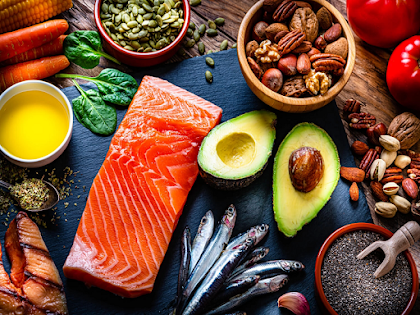
  January often feels like the right time to start fresh – making new commitments to a well-lived life. For people seeking to grow their family, many often wonder, “is there anything I can do with my lifestyle to help make that happen?” Thankfully, many dedicated researchers have committed their careers to understand the impact of nutritional choices on fertility. Patients can take this best information to guide their own lifestyle choices as they continue their fertility journeys.  The three dietary patterns associated with the best fertility outcomes have been called the “fertility diet,” “the pro-fertility diet,” and the Mediterranean diet. The “fertility diet” features:  More monounsaturated fats, reduced saturated and especially trans fats  (Examples of monounsaturated fats include olive, canola, avocado, and sesame oils, as well as nuts and peanuts, while saturated fats often come from animal sources, such as butter and fatty meats) ...

Fresh vs. Frozen Embryo Transfer: Exploring the Differences

Image
  There are many decisions to make on your journey to becoming a parent. Which infertility clinic is a good fit? What treatments are you willing to undergo? Is it better to transfer fresh or frozen embryos for IVF (In Vitro Fertilization)? Luckily, your treatment team can help guide you to the choices that are right for you, and Dr. Walid Saleh of SIRM Dallas in Dallas, Texas can give you some insight into the pros and cons of fresh versus frozen embryo transfer below. A Fresh Perspective All embryos start out fresh. In a woman’s initial IVF cycle, she takes medication to first “quiet” the ovaries followed by medication to stimulate them to produce extra eggs. After the eggs have been surgically retrieved, they are fertilized. The resulting embryos grow in a special incubator until they are ready to be transferred to the uterus. In most cases, one embryo is selected for transfer and the remaining embryos are frozen. Fresh cycles were, for decades, the gold standard…until the la...

Genetic Testing – Preimplantation Genetic Diagnosis (PGD)

Image
Also known as Preimplantation Genetic Screening , the purpose of this process is to evaluate the chromosomal makeup of an egg/embryo. Because the majority of miscarriages are due to chromosomal abnormalities, many couples undergo Preimplantation Genetic Diagnosis in order to select embryos that are chromosomally “normal” and increase their chances of IVF success. An egg/embryo with too many or too few chromosomes will either fall under the following: Fail to implant in the uterus Lead to a miscarriage Result in a chromosomal birth defect such as Down Syndrome or Turner Syndrome Should I have genetic testing/PGD done on my embryos? This depends on a number of factors including your age, medical history, and other risk factors. As a rule, genetic testing can improve pregnancy rates by identifying those embryos that are most likely to make a baby. The additional cost may negate the advantages for some couples. Another reason for having genetic testing done is for Gen...

In Vitro Fertilization: A Comprehensive Guide

Image
Introduction: In the realm of reproductive medicine, In Vitro Fertilization (IVF) stands as a beacon of hope for individuals and couples grappling with infertility. This groundbreaking technique navigates the intricate landscape of both male and female reproductive systems, addressing conditions that impede natural conception. The term "in vitro," derived from Latin, meaning "in glass," encapsulates the essence of this process, as fertilization takes place within a controlled environment, symbolized by a glass container in the laboratory. Understanding the IVF Process: At its core, IVF is a meticulous orchestration of laboratory and assisted reproductive techniques. The primary objective is to enhance the likelihood of successful sperm-egg fertilization, culminating in the formation of a healthy embryo. This multifaceted process involves several key steps, including ovarian stimulation, egg retrieval, fertilization in the laboratory, embryo culture, and ultim...

Fertility Preservation in Dallas, Texas

Image
As the success rates for cancer treatments continue to rise, more and more patients are living long, active lives. While cancer treatments have allowed patients to survive at higher rates, they also can have a negative impact on fertility. Fertility Preservation for Women Before Cancer Treatment Chemotherapy and radiation have both been shown to negatively affect the fertility of both men and women, often damaging eggs and possible leaving the woman infertile. Freezing a woman’s eggs, or embryos created using sperm from her partner or an anonymous donor, can provide women with the chance to have a biological child in the future. Fertility Preservation Process: Fertility specialists of CRE (previously SIRM-Dallas) will induce the maturation of the eggs and retrieve them as would be done for an IVF cycle If the patient does not have a partner, or would prefer not to use donor sperm, we would then freeze her eggs through a process called vitrification If ...

What Are the Advantages of In Vitro Fertilization (IVF)?

Image
  The main advantages of In Vitro Fertilization by Center for Reproductive Endocrinology . In Vitro Fertilization is a reproductive treatment that has been revolutionizing fertility treatments for women. An egg cell is fertilized outside of the body during the treatment process. The process allows couples to overcome fertility issues and helps families grow. Achieving a successful pregnancy and conceive a healthy baby is the ultimate goal of IVF. Here are some of the major benefits of IVF treatment from Center for Reproductive Endocrinology:    High Success Rate & Safety IVF is one of the most effective fertility treatments available. The strategy employs the few medications with the lower negative effects. IVF with PGT has the highest success rate of all of the other assisted reproductive options. The treatment ensures a successful pregnancy. Methods like IUI do not guarantee success even after a lot of effort. Patients under the age of 35 have a higher rate o...